Selecting the right lab grown diamonds for bulk procurement and long-term inventory operation determines overall profitability, market adaptability and after-sales stability. This professional sourcing guide focuses on core commercial differences between mainstream lab diamond manufacturing technologies, helping industry practitioners distinguish cvd vs hpht diamonds, arrange reasonable lab grown diamond stock, and cooperate with reliable cvd diamond supplier partners to stabilize bulk lab grown diamonds procurement business.
What Define the Quality of Lab Grown Diamonds
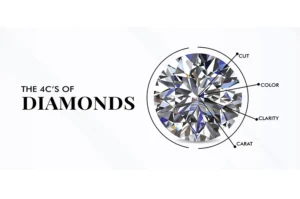
The commercial evaluation standard for modern lab diamonds extends far beyond the basic 4C grading system of color, clarity, cut and carat. The true quality of lab grown diamonds in bulk covers batch uniformity, inherent defect types, visual performance, stability under long-term wear and global market recognition. Although CVD and HPHT diamonds are two mainstream synthetic technologies dominating the current market, they show huge differences in production stability, defect tolerance, premium potential and application scenarios. Blind unified purchasing without process classification easily causes unsalable inventory, inconsistent finished jewelry quality and increasing after-sales disputes, which are typical pain points for medium and large jewelry distributors.
HPHT Lab Diamonds Features and Commercial Advantages
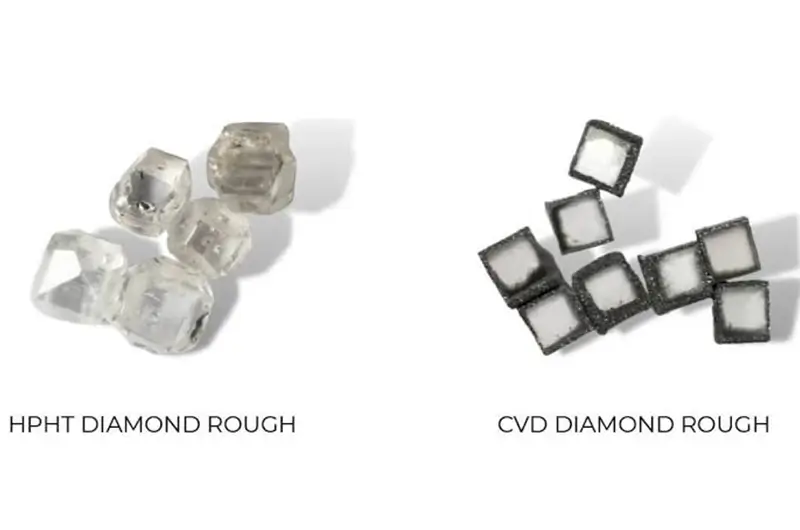
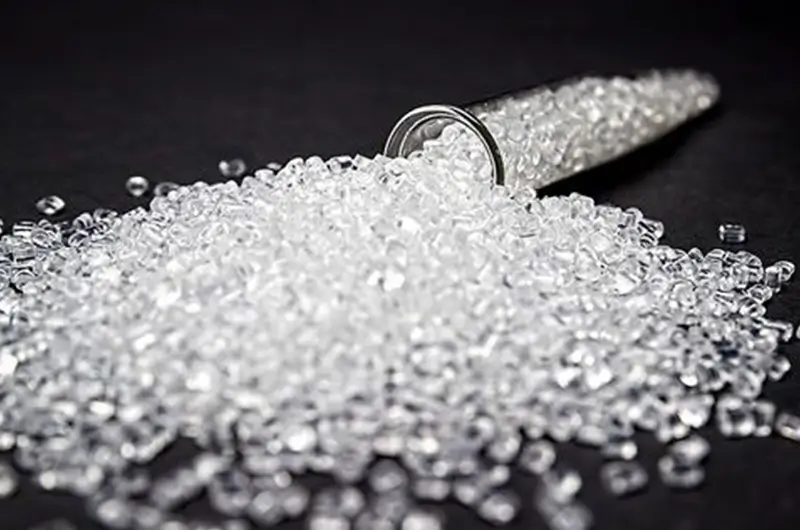
HPHT lab diamonds are cultivated through high-pressure and high-temperature environments that simulate the natural growth conditions of mined diamonds. This mature industrial technology features stable output, short production cycles and controllable manufacturing costs, making it the most mainstream solution for large-scale wholesale orders. Merchants who need stable and cost-effective bulk lab grown diamonds always take HPHT diamonds as their first choice. The core advantage of HPHT diamonds lies in excellent batch consistency. For mass orders that require unified tone, identical clarity and consistent cutting effect, HPHT products can maintain highly unified visual presentation and parameter standards throughout the entire batch. Such stable performance perfectly matches mass fashion jewelry production, holiday gift orders and basic retail inventory supplementation. Meanwhile, HPHT diamonds have fixed and identifiable defect characteristics, with almost no hidden quality deterioration after processing, greatly reducing after-sales pressure for downstream distributors and retailers.
Market Limitations of HPHT Lab Diamonds
Nevertheless, HPHT lab diamonds have natural limitations in high-end market iteration. Most commercial HPHT products present slight warm tones and insufficient crystal transparency, with occasional tiny metal inclusions and partial dark corners. These subtle flaws do not affect daily wearing and basic sales, but restrict high-end premium positioning, making HPHT more suitable for cost-effective mass sales rather than boutique fine jewelry and high-customization markets. For buyers focusing on low-cost, fast-turnover inventory, HPHT remains the most cost-effective option for daily lab grown diamond stock allocation.
CVD Lab Diamonds Quality and High-End Market Value
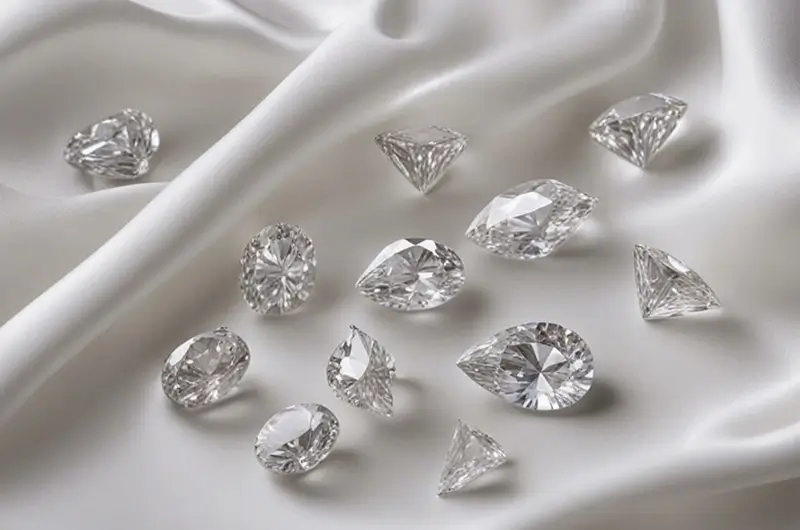
CVD lab diamonds, produced by chemical vapor deposition technology, possess purer crystal structures and superior visual texture, which are core advantages that distinguish them from HPHT products. Outstanding quality of lab grown diamonds is fully reflected in CVD series, with uniform white tone, strong light transmission, vivid fire and fewer internal impurities. High-grade CVD lab diamonds are visually close to top-grade natural diamonds, supporting high-end product premium and brand positioning, so they are widely favored by European and American fine jewelry boutiques, luxury custom studios and high-end jewelry brands.
CVD vs HPHT Diamonds Commercial and Cross-Border Differences
A clear understanding of cvd vs hpht diamonds commercial and cross-border differences is a must for every overseas jewelry buyer. The biggest gap between the two lies in market premium capability and regional circulation adaptability. CVD diamonds excel in cross-border high-end markets, where consumers pay more attention to crystal purity and visual sophistication. As a professional cvd diamond supplier focusing on high-quality commercial graded products, we strictly screen growth lines, gray tones and white fog defects that easily appear in conventional CVD growth, providing stable high-purity CVD finished stones for brand customization and high-profit boutique retail. Although CVD bulk costs are higher than HPHT, its strong market recognition and low homogenization make it the core profit product for mid-to-high-end jewelry sellers.
Scientific Lab Grown Diamonds Stock Allocation Strategy
Reasonable lab grown diamond stock allocation is the key to stable operation and risk avoidance. For general jewelry distributors and wholesale merchants, a mixed inventory strategy is highly recommended: allocate most stock with cost-effective HPHT lab diamonds to support daily bulk orders and fast inventory turnover, and reserve a small proportion of high-quality CVD lab diamonds to undertake high-end customization and high-premium orders. This collocation balances cash flow stability and profit space, avoiding single inventory structure risks. For cross-border exporters focusing on European and American markets, priority should be given to enriching CVD stock, while Southeast Asian and Middle Eastern cost-sensitive markets are more suitable for HPHT mass inventory layout.
Key Principles for Bulk Lab Grown Diamonds Procurement
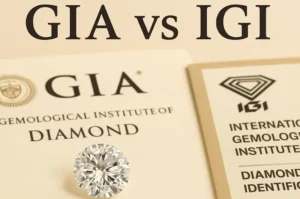
In terms of bulk lab grown diamonds procurement, buyers should never judge product quality merely by unit price. Low-priced bulk goods often come with inconsistent batch color, hidden texture defects and unstable after-sales quality. Formal suppliers’ standardized grading systems can effectively classify commercial grade, boutique grade and high-customization grade lab diamonds, matching different sales channels and customer groups. Reliable suppliers provide complete certificate docking services including IGI, GIA and NGTC, ensuring global customs clearance pass rate and market circulation effectiveness for bulk goods.
Misunderstandings in Lab Diamond Sourcing
Many industry misunderstandings interfere with scientific sourcing decisions. The most common one is believing that CVD diamonds are absolutely superior and suitable for full-stock layout, or simply regarding HPHT diamonds as low-end inferior products. In fact, the two processes have no absolute quality gap but clear scenario segmentation. The core of bulk lab diamond sourcing is matching appropriate products according to terminal positioning, regional market preferences and operational demands. Stable inventory turnover and controllable after-sales risks are far more important than unilateral low cost.
Mastering the differentiation advantages of CVD and HPHT lab diamonds, rationally arranging lab grown diamond stock, and cooperating with professional cvd diamond supplier teams are essential conditions for long-term stable development of global jewelers. Adhering to above sourcing guide, focusing on the quality of lab grown diamonds and batch stability, and optimizing bulk lab grown diamonds procurement structure can help wholesalers, brand suppliers and overseas buyers reduce operational risks, expand premium space and build more competitive product systems in the increasingly competitive global lab diamond market.mpetitive global lab diamond market.