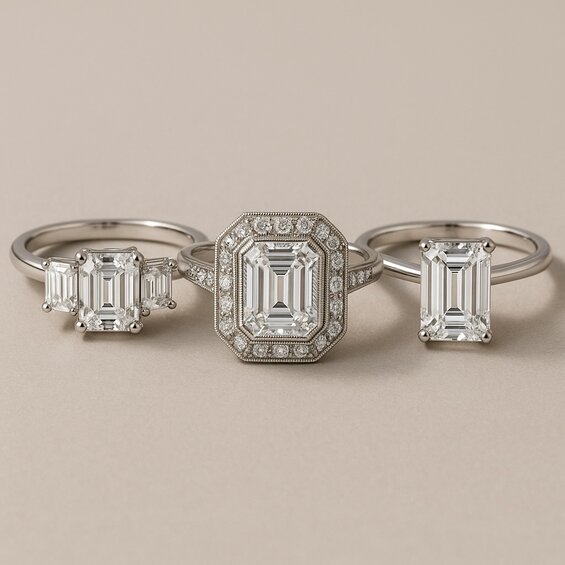
Round
Product classification
Lab Grown Round Diamond
Round cut lab grown diamonds have 57 or 58 facets to maximize reflection and refraction, and are the most frequently used cuts for its brilliance and sparkle. Discover required stones in the collection engineered with highest optical benchmarks if customers prioritize the precise intersection of crown and pavilion angles for maximum fire and scintillation. For our most discerning partners, we maintain a dedicated inventory of “Super-Ideal” Hearts & Arrows rounds, ensuring 1:1 symmetry that eliminates light leakage and delivers a crisp, white “face-up” appearance that rivals the world’s most famous natural specimens.
Look through the selection to get lab diamonds consistent in ratio and proportion, maximizing profit margins while minimizing possibilities for custom casting. Pick up undersize-carat round cut lab diamonds showing the same presence as full-carat benchmarks at a lower cost. Look for the best balance of light performance, standard ratios and price transparency. Inquiry the supplier now to get the newest edition of wholesale prices or apply for access to more inventory.
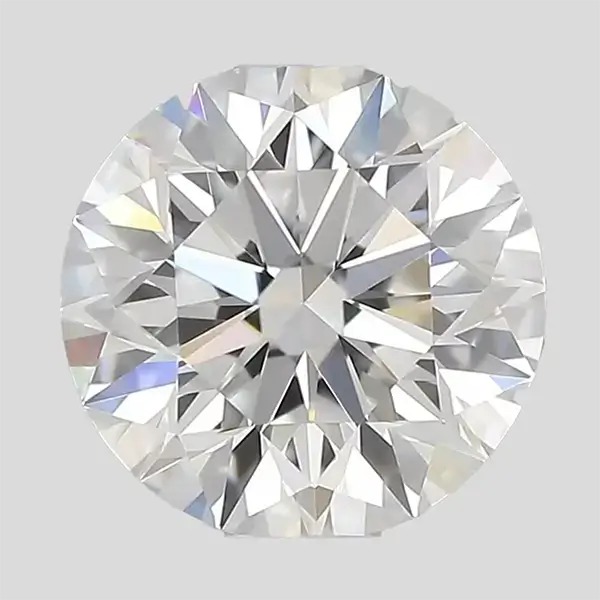
1.02 ct Round Lab Grown Diamond E VS1 HPHT
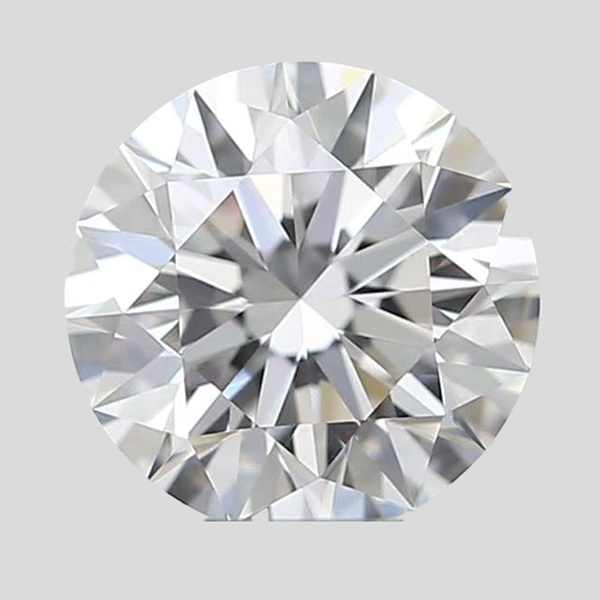
1ct Round Lab Diamond F VS1 HPHT
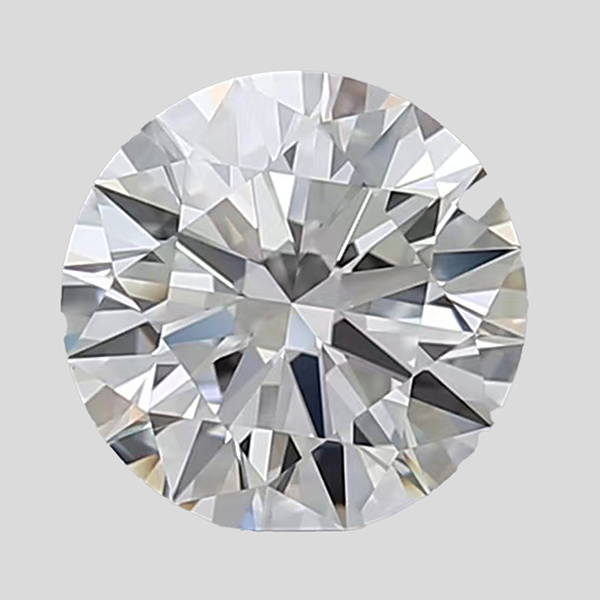
1.05ct Round Lab Diamond G VVS1
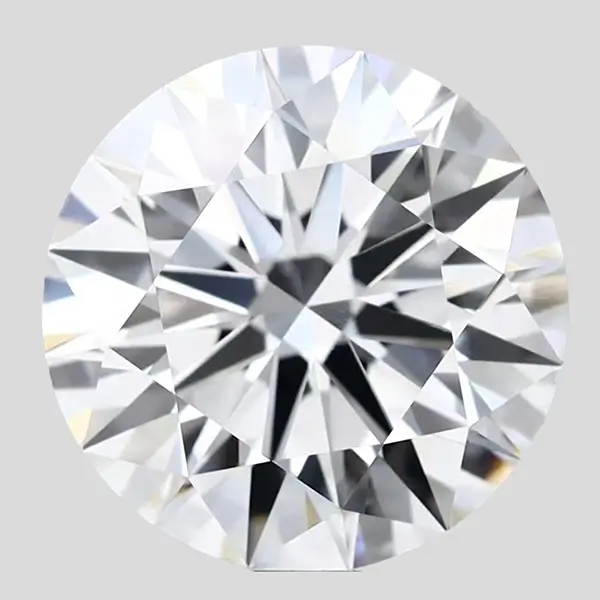
2.03ct Round Lab Diamond HPHT F VVS2
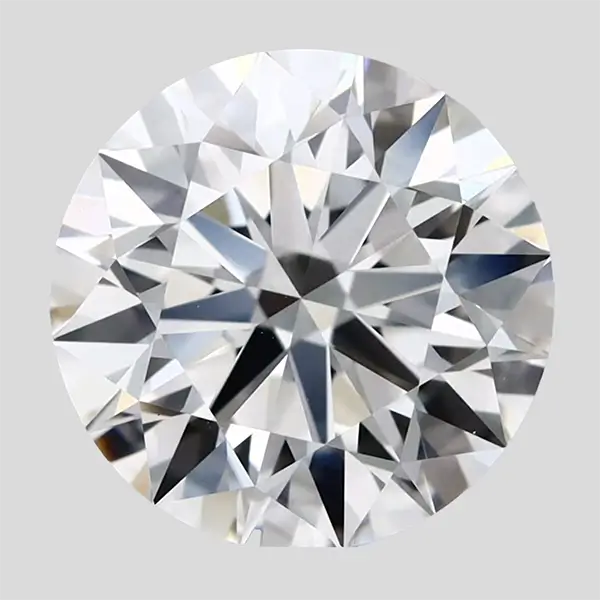
2.03 Carat Lab Grown Round Diamond HPHT F VVS2
2.05 Carat Round Lab Created Diamond CVD F VVS2
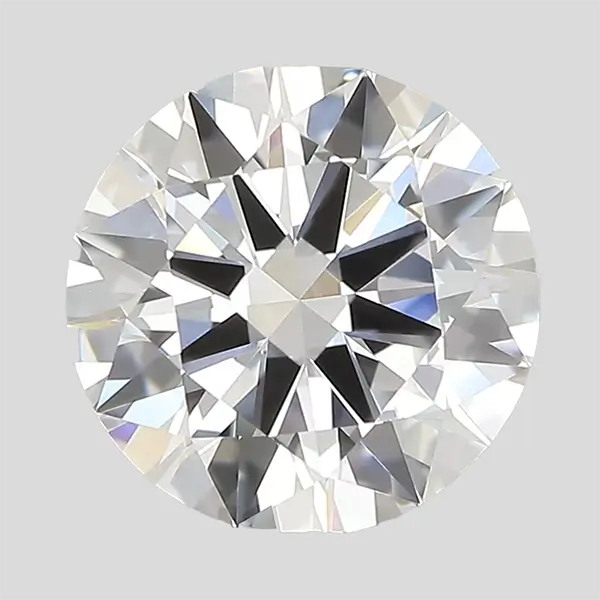
3.06 Carat White Brilliant Round Cut CVD VVS1
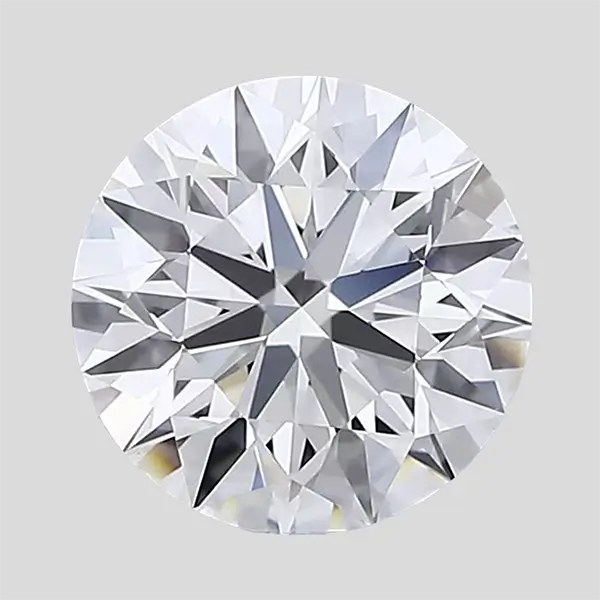
3.07 Carat Round Lab Grown Diamond E VVS1
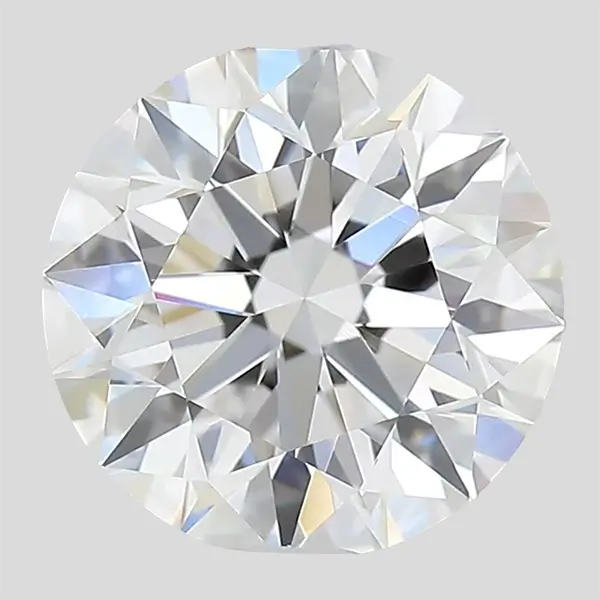
3.03 Carat Round Lab Grown Diamond CVD D VVS1
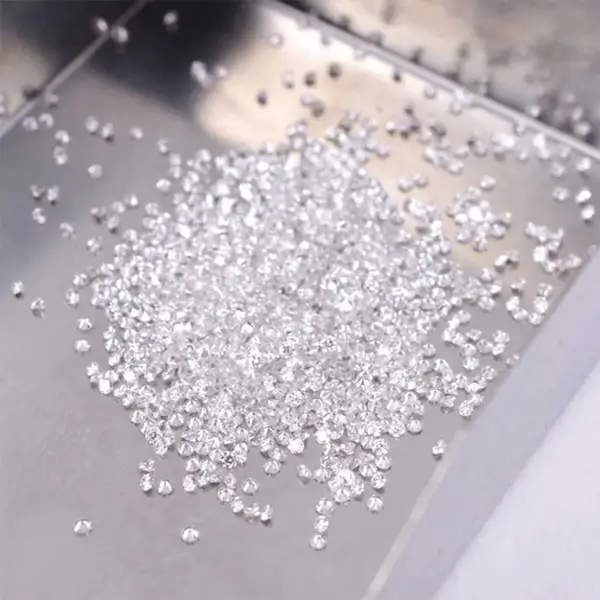
Round Melee Lab Diamonds
Bulk Round Lab Grown Diamonds Buying Guide
Round lab-grown diamonds are the most widely adopted and recognized cut in the global diamond and jewelry industry. Occupying over 50% of all polished diamond inventory worldwide, this classic cut stands out for its outstanding brilliance, symmetrical beauty, and universal setting compatibility.
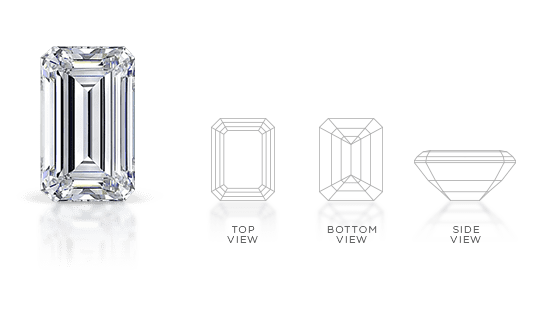
Round Shape & 3EX Cut
Round-shaped lab-grown diamonds boast higher customer acceptance, faster turnover, and lower sales threshold, making them the most reliable mainstream inventory option. Nowadays round brilliant cut is published by a Belgian diamond cutter Marcel Tolkowsky, which features ideal proportions and is known as Tolkowsky Cut or the American Ideal Cut.
This ideal cut is based on rigorous mathematical calculations of light reflection and refraction to achieve excel light performance. The most optimal proportion display perfect hearts and arrows under a specialized viewer.
3EX means excellent symmetry, polish and cut. While triple‑excellent stones represent top‑tier cutting craftsmanship, they usually carry a clear wholesale price premium. Please not that do not over-invest in the 3EX round lab diamonds if it’s not necessary.
Clear Clarity Tolerances
Clarity grading for bulk lab-grown diamonds focuses on internal inclusions and surface blemishes, as well as batch consistency. Bulk sourcing requires unified clarity grades across the entire lot to ensure consistent quality of finished jewelry. Even tiny invisible flaws in individual stones will lead to inconsistent product quality and affect store reputation. Reasonable clarity selection based on store positioning can effectively control procurement costs while ensuring stable retail quality. Define clear clarity tolerances into final contract.
Evaluation Metrics of Round Diamond Proportions
Ideal L/W ratio for round diamond falls within 1.00~1.01, which indicates a perfect round shape and ensures optimal light reflection and refraction. In addition, proportion is another crucial factor to determine the overall cut quality and appearance. Depth percentage and table percentage should fall between 59~62.3% and 53~58% in correspondence.
Measurement | Excellent | Very Good | Good | Fair |
|---|---|---|---|---|
Table % | 53 - 58 | 52 - 53
or
58 - 60 | 51
or
61 - 64 | 50
or
65 - 69 |
Depth % | 59 - 62.3 | 58 - 58.9
or
62.4 - 63.5 | 57.5 - 57.9
or
63.6 - 64.1 | 56.5 - 57.4
or
64.2 - 65 |
Length/Width Ratio | - | 1.00 - 1.01 | - | 1.02 |
Girdle | Thin to Slightly Thick | Very Thin to Clightly Thick | Very Thin to Thick | Very Thin to Very Thick |
Pavilion Depth | 42.8 - 43.2 | 42 - 42.7
or
43.3 - 43.9 | 41 - 41.9
or
44 - 45.5 | 39 - 40.9
or
45.6 - 48 |
Crown Angle | 34 - 34.9 | 32.1 - 33.9
or
35 - 35.9 | 30.1 - 32
or
36 - 37.9 | 29 - 30
or
38 - 40.5 |
Terminology
- Table %: Refers to the percentage ratio of the diamond’s table width to its maximum girdle diameter.
- Depth %: Represents the ratio of the diamond’s total vertical depth to its girdle width.
- Crown Angle: The inclined angle of the diamond’s upper crown facets.
- Pavilion Depth: The vertical depth of the diamond’s lower pavilion section.
- Girdle: The middle rim of the diamond that connects the crown and pavilion.
- Culet: The tiny flat facet at the bottom of the diamond pavilion.
- L/W Ratio (Length-to-Width Ratio): The dimensional ratio of the diamond’s length and width, used to verify roundness standardization.
Specify Needed Color Range
Color of round lab diamond from D to Z implies shift from the whitest colorless grades toward increasing yellow body color. There is no obvious appearance difference for diamonds within colorless or near colorless group, but the wholesale price gap can be enormous. Color consistency is the top priority in bulk order. Slight color differences between individual stones in a batch will cause obvious visual disparity after being made into the same series of jewelry.
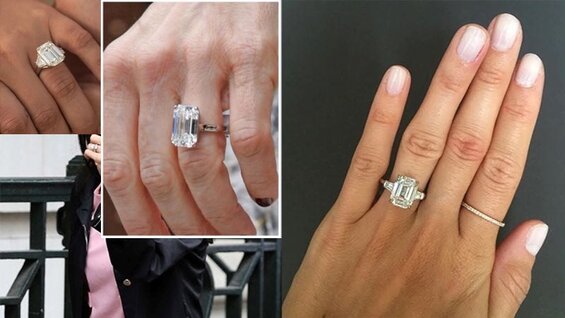
Potential Problems in Round Lab-Grown Diamond Bulk Sourcing
Undesirable Body Tones and Fluorescence Defects
Common hidden quality flaws in low-cost bulk lab-grown diamonds include milky haze, brown undertones, and green color casts. Milky diamonds present a foggy and dull visual effect with poor light transmission; brown and green undertones seriously reduce the diamond’s clarity and grade, which are difficult to eliminate post-processing. In addition, abnormal fluorescence is a frequent problem in bulk batches. Excessively strong fluorescence will make diamonds appear blue and hazy under natural light, greatly reducing retail value and customer satisfaction.
Stay Alert for Certificate Irregularities
A large number of bulk diamonds are attached with non-authoritative in-house lab certificates. Such internal certificates lack industry recognition, with unstandardized grading standards and unguaranteed authenticity, which cannot support high-end retail sales and will even cause customer trust crises and after-sales disputes. In addition, confirm consistency between the IGI report number on the certificate and the girdle laser inscription of round lab‑grown diamonds.