The global lab-grown diamond (LGD) market has shifted rapidly from a disruptive niche to a foundational pillar of modern jewelry procurement. Shifting consumer mindsets and rising of lab grown diamond industry redefine the wholesale diamond businesses. Demand is rising across Europe and North America for a more ethical, sustainable and cost-effective source. Wholesale lab grown diamonds and wholesale lab grown diamond jewelry go far beyond lower price per carat for dealers, agents, distributors, boutique designers, importers and retailers.
It requires a nuanced understanding of advanced manufacturing techniques, rapidly shifting consumer psychology, and dynamic supply chains. This guide breaks down the essential strategies for navigating the wholesale lab-grown diamond market today.
Current Status and Advantages of Wholesale Lab-Grown Diamonds
The primary advantage of purchasing lab-grown diamonds wholesale remains the undeniable value proposition. Cost-effective wholesale pricing in the industry elevates profit margins and unlock design freedom further.
In other words, independent designers and brands are more accessible to high-carat center stones and complex setting without pushing the final retail piece out of their target price bracket. Lower acquisition costs mean jewelers can diversify their inventory and offer a broader range of high-quality products without over-leveraging their capital.
Trend of the Lab-Grown Diamond Market
The 2026 market is experiencing a distinct “flight to quality.” As production technologies mature, the industry is moving away from lower-tier commercial goods. Major wholesale price lists and exchanges have largely stopped indexing SI-clarity LGDs. Growers are dialing in their processes to produce almost exclusively VVS+ clarities and D-F colors, making these premium grades the new baseline expectation.
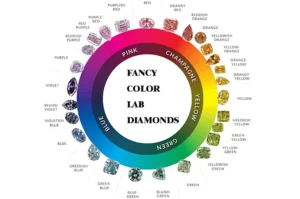
While the round brilliant remains a staple, the bridal and fine jewelry sectors are seeing explosive demand for fancy cuts—specifically ovals and pears. Additionally, fancy-colored lab diamonds, such as pink, blue, orange, and purple, are transforming from rare novelties into essential inventory for boutique brands looking to differentiate their collections.
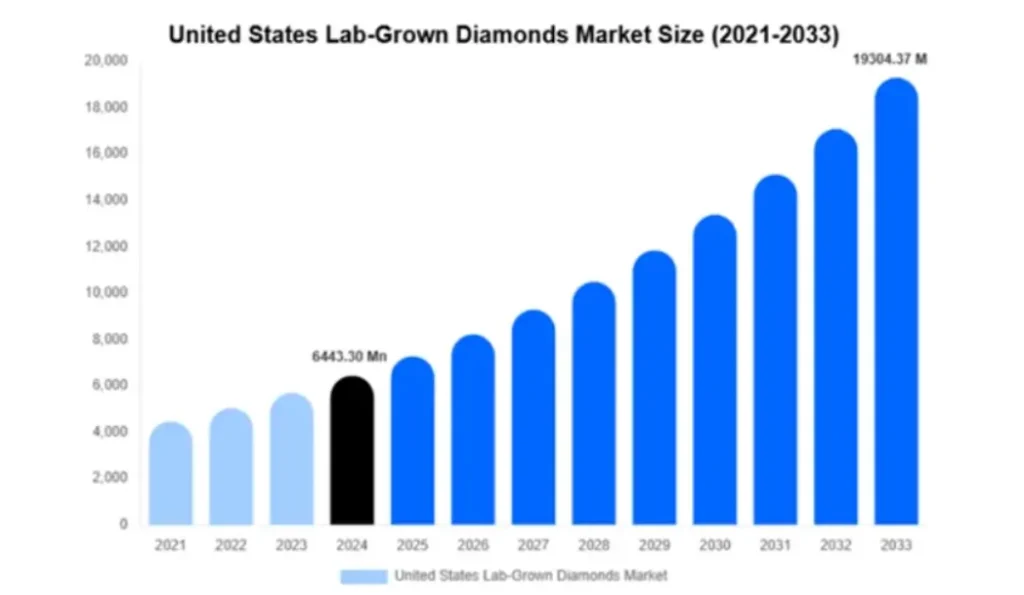
Because of the cost accessibility, the average carat size for engagement rings has steadily climbed, with 2-carat and 3-carat stones becoming standard requests rather than outliers.
Significance of a Reliable Lab-Grown Diamond Supplier
In a market characterized by high volume and fluctuating prices, your supplier acts as your primary risk management partner. Good supplier selection goes beyond just comparing price sheets.
Modern procurement prioritizes ethical sourcing and environmental efficiency. Working with manufacturers who provide transparent technical specifications, delivery timelines and authoritative certificates allows your business to confidently pass that narrative on to the end consumer.
Inventory and Stock Planning
Balancing variety with turnover is the most critical challenge for any diamond buyer. Strategic allocation lies on core and premium stones helps jewelers maintaining high turnover and drawing attentions from consumers.
Multiple shapes or cuts are one other factor affecting sales volume. In addition to classic round brilliant, oval, emerald, cushion and pear are gaining popularity for diverse preferences from end-customers.
Fancy-colored lab grown diamonds enter the public spotlight and witness fast growing over the past decade years. Popular colors like pink, blue, yellow and green diamonds are increasing used in jewelry. Diversify retailer’s inventory with a limited but diverse color range.
Pricing and Margin Control
Wholesale prices for lab-grown diamonds saw significant declines recently as global supply increased. While this presents challenges for those holding old stock, it offers massive margin potential for smart buyers.
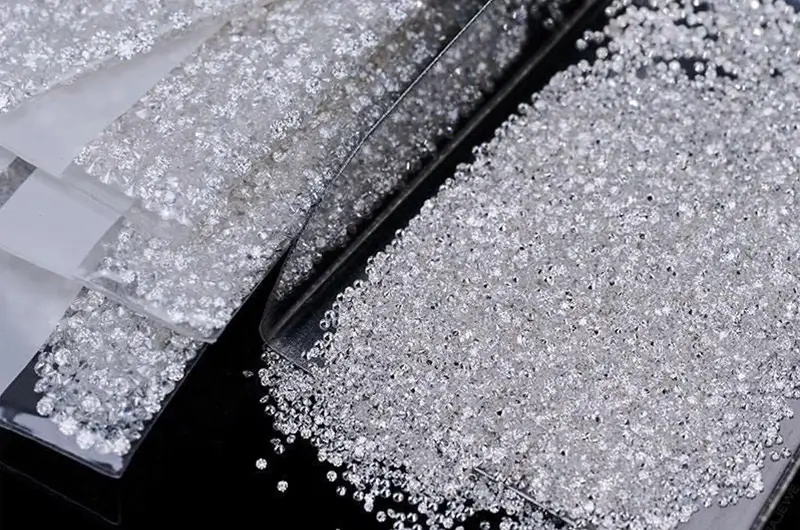
Value based pricing still the best strategy. Stay focused on technical superiority, precise cut and certifications rather than competing purely on prices. Insist on procuring full cut lab diamonds rather than single cut diamonds for optimal brilliance of final jewelries.
Buying in bulk can lower your cost per stone, but building excess inventory during a period of price decline is dangerous. Fast stock movement and regular, smaller purchases protect your profit margins far better than holding dormant inventory.
Certification and Documentation
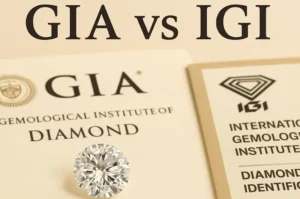
In the diamond trade, trust is established through objective third-party verification. Certification protects the procurement manager, the retailer, and the final customer. Both IGI and GIA are wide-recognized grading authorities. Most lab-grown diamond manufacturers adopt IGI certification for loose stones to lower grading and appraisal costs.
Managing Price Changes and Market Risk
The LGD supply chain moves with the speed of the technology sector, not the traditional mining sector. Stay aware of wholesale pricing trends and wholesale price lists. Reduce risk by avoiding over-concentration in one specific category. A healthy mix of colorless staples and fancy-colored specialties ensures your business can pivot when consumer preferences or macro-economic factors shift.
In a market with downward price pressure, holding inventory for six months eats away at your margins. Prioritize liquidity and rapid sell-through rates.
Marketing Lab-Grown Diamonds
Education is your strongest marketing asset. Many consumers are drawn to the price but still require reassurance about the product’s authenticity. Explicit illustration on the same physical and chemical structure as mined diamonds as well as certificate proof work in trust build-up.
It’s a great opportunity for lab grown diamond importers, dealers, distributors and retailers to build profitable collections and meet customer expectations with ease against the rising market demands. Reliable sourcing, balanced stock planning, value-based pricing and professional knowledge about lab grown diamonds all depend success level of wholesale business. The company offer loose lab grown diamonds at reasonable tiered wholesale prices.
FAQs
1.Are lab-grown diamonds real diamonds?
Yes. Lab-grown diamonds are 100% real diamonds. They have the identical physical, optical, and chemical structure as mined diamonds.
2. What certification should I look for when buying wholesale diamonds?
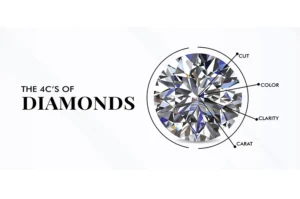
IGI is currently the market leader for lab-grown diamonds, offering consistent grading for cut, clarity, color, and carat, which ensures the diamond meets verified industry standards.
3. Why are wholesale lab-grown diamonds cheaper than mined diamonds?
The price difference is due to a much shorter and more efficient supply chain. Creating a diamond in a lab using CVD or HPHT technology requires significantly less overhead, labor, and time than extracting a natural diamond from a mine, allowing suppliers to offer highly competitive pricing without sacrificing quality.
4. Which is better for large center stones: CVD or HPHT?
Both methods produce exceptional diamonds. CVD is often favored for its energy efficiency and consistent clarity, while HPHT is frequently utilized to achieve flawless color grades (like D or E) in very large stones, or to produce specific fancy colors. A reliable supplier will guide you based on your specific inventory needs.
5. How can my business maintain good profit margins if wholesale prices drop? Maintaining strong margins requires a strategy of fast inventory turnover and value-focused retail pricing. Do not buy massive bulk parcels if you cannot sell them quickly. By purchasing closer to the time of sale and educating your clients on the quality and ethical benefits of the stone, you can maintain premium positioning and healthy profitability.