The reliability of lab grown diamond source hinges on one non-negotiable factor – credible certification against expanding market and surging demands. As global demand for ethical, sustainable diamonds surges, procurement professionals and retailers face a pivotal decision in navigating igi vs gia lab-grown diamond certification—a choice that directly impacts product value, consumer trust, and market competitiveness.
Both GIA (Gemological Institute of America) and IGI (International Gemological Institute) are wide-recognized diamond grading organizations. Each institute certifies on its own appraisal standards. It’s essential to for jewelers having a rough idea about their differences prior to bulk orders. This article dissects the nuances of GIA and IGI certifications to guide your lab grown diamond sourcing decisions with clarity and confidence.
What are Lab Grown Diamonds?
Lab grown diamonds (LGDs) are chemically, physically, and optically identical to natural mined diamonds, formed through controlled technological processes rather than geological activity. Created in state-of-the-art laboratories using either High Pressure High Temperature (HPHT) or Chemical Vapor Deposition (CVD) methods, these diamonds share the same carbon crystal structure, hardness (10 on the Mohs scale), and brilliance as their natural counterparts. Unlike natural diamonds, LGDs offer unparalleled transparency in sourcing, minimal environmental impact, and significant cost advantages. For lab grown diamond source partners, understanding this foundational equivalence is critical: LGDs are not “simulants” but genuine diamonds, requiring the same rigorous certification standards to validate their quality and authenticity.
Why Certification Matters for Lab Grown Diamond Source?
Procurement professionals are often faced with often challenges like authenticity verification, quality consistency, and market acceptance in lab grown diamond source. Certifications are go-to solutions for above challenges and guarantee diamonds meet specific industry standards. Without a reputable certification, even the most promising lab grown diamond source risks delivering stones that fail to meet buyer expectations or regulatory requirements.
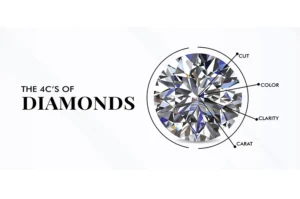
Professional gemologists evaluate diamond’s 4Cs: Cut, Color, Clarity, and Carat weight. Then certification annotates growth method, width-and-length ratio and related parameters. For sourcing partners, certified diamonds streamline inventory management, reduce returns, and enhance brand credibility—especially in markets where consumers increasingly demand transparency. In short, certification transforms a raw diamond from a commodity into a verifiable asset, making it an indispensable tool for successful lab grown diamond source management.
What is the Difference Between GIA and IGI Certification?
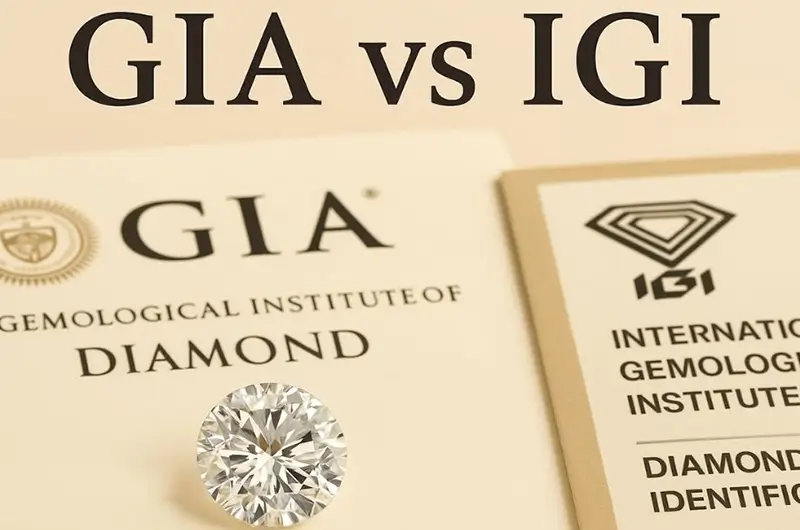
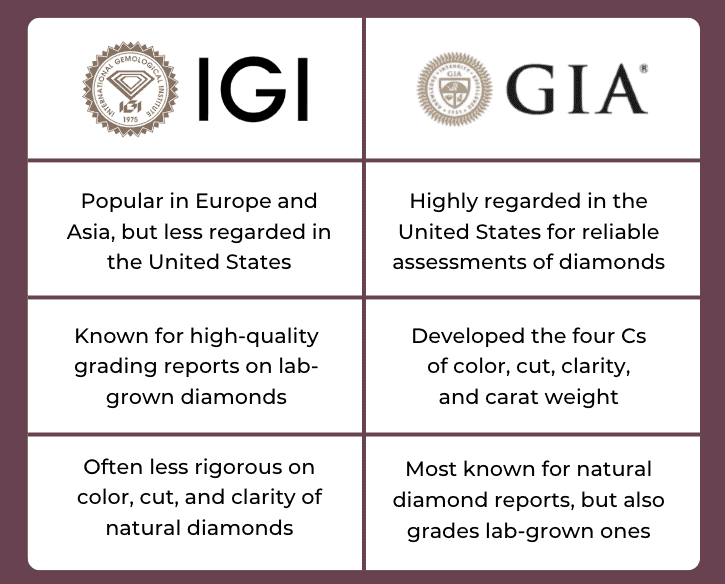
The igi vs gia lab-grown diamond certification debate centers on two industry leaders with distinct histories, methodologies, and market positioning:
Foundational & Structural Differences
- GIA (Gemological Institute of America): Established in 1931 as a non-profit organization, GIA is universally regarded as the “gold standard” of diamond certification, having invented the 4Cs grading system that defines the industry. GIA entered lab grown diamond certification in 2019, applying the same rigorous standards developed for natural diamonds to synthetic stones.
- IGI (International Gemological Institute): Founded in 1975 in Antwerp, IGI is a for-profit entity and a pioneer in lab grown diamond certification, having specialized in LGD grading since 2005—decades before GIA. Today, IGI processes 80-90% of global lab grown diamond certifications, dominating online and retail markets.
Grading Methodologies
- GIA: Employs a strict, conservative approach with sequential independent grading—3 separate graders for stones over 1 carat, with a 4th grader resolving discrepancies. GIA’s cut grading is the most detailed in the industry, evaluating 8 subcategories (including proportions, symmetry, and polish) to assign grades from “Ideal” to “Poor”. This rigor often results in slightly lower color or clarity grades compared to IGI for identical stones.
- IGI: Uses a collaborative grading process with faster turnaround times (3-7 days vs. GIA’s 2-4 weeks). IGI’s cut grading simplifies to 4 categories (“Good” to “Excellent”) and is perceived as more lenient, with some stones receiving one clarity or color grade higher than GIA. IGI also provides more detailed documentation of growth methods (HPHT vs. CVD), a key differentiator for tech-savvy buyers.
Cost & Market Impact
- GIA: Certification fees are 15-25% higher than IGI, reflecting its non-profit model and extensive quality control. GIA-certified lab grown diamonds command an 8-12% price premium in the market, driven by consumer trust and stronger resale value.
- IGI: Offers cost-effective certification with no compromise on technical accuracy—its grading aligns with industry standards, but the brand lacks GIA’s prestige. IGI-certified stones are ideal for budget-conscious sourcing, as they deliver equivalent quality at 5-15% lower prices.
Market Perception
- GIA: Respected by luxury retailers, auction houses, and high-net-worth collectors, GIA certification is synonymous with reliability for investment-grade stones. Insurance appraisers frequently assign higher valuations to GIA-certified LGDs.
- IGI: Dominates mainstream retail and direct-to-consumer (D2C) platforms, where affordability and ethical sourcing are prioritized over prestige. IGI’s expertise in lab grown diamonds makes it the preferred choice for bulk sourcing and online retailers.
Which Certification Is Better for Your Lab Grown Diamond Source?
The answer hinges on your sourcing goals, target market, and business priorities:
Choose GIA If:
- You’re sourcing for luxury retail, premium bridal lines, or collector markets where brand prestige and resale value are critical.
- Your customers prioritize strict grading consistency and are willing to pay a premium for the “gold standard” certification.
- You anticipate reselling stones through auction houses or estate channels, where GIA’s market recognition protects value.
- Your lab grown diamond source focuses on large stones (1+ carat) or investment-grade pieces, where certification rigor directly impacts perceived value.
Choose IGI If:
- You’re engaged in bulk sourcing for mid-market retail, online D2C brands, or budget-conscious consumers.
- Speed and cost efficiency are priorities—IGI’s faster turnaround (3-7 days) supports just-in-time inventory management.
- Your target market values technical accuracy over brand prestige, as IGI’s grading is equally reliable for everyday wear stones.
- You specialize in lab grown diamond jewelry where the stone’s ethical origin and affordability drive purchasing decisions.
A Hybrid Approach:
Many successful lab grown diamond source partners adopt a dual-certification strategy: using GIA for premium inventory (1+ carat, high clarity/color) and IGI for mid-range bulk orders. This approach balances market coverage, cost control, and customer satisfaction, catering to both luxury and mainstream segments.
Curated Sources with GIA/IGI Certification
When sourcing lab grown diamonds, partnering with verified suppliers that prioritize GIA or IGI certification is non-negotiable. Our curated network of lab grown diamond source partners delivers stones with fully traceable, authentic certifications—ensuring you receive exactly what’s promised, every time. Whether you’re seeking GIA-certified investment pieces or IGI-certified bulk inventory, our platform connects you with ethical suppliers that meet strict quality standards:
- 100% GIA/IGI certified stones with laser-inscribed report numbers for verification
- Transparent documentation of growth methods, ethical sourcing, and grading details
- Competitive pricing for bulk and premium orders, with flexible shipping and return policies
- Expert support to match certification choice with your target market and business goals
Don’t leave your sourcing success to chance. Access our trusted lab grown diamond source directory today to discover certified LGDs that align with your quality standards, budget, and market demands. Your customers deserve transparency—start with certification you can trust.
Ready to elevate your lab grown diamond sourcing? Browse our curated collection of GIA/IGI certified stones or contact our team for personalized supplier recommendations.