4Cs are taken as universal global standards for lab grown diamonds, serving as the core of quality evaluation, pricing, and reliable sourcing in the lab diamond industry. They help buyers distinguish standard color grading from abnormal body tones, tell apart blue-tinted regular diamonds from genuine fancy blue diamonds, and read key hints on IGI and GIA certificates to filter low-quality tinted stones.
A successful loose lab grown diamond wholesale depends on diamond judgement involving diamond authenticity, cost controlling and risk mitigation in procurement. Without mastering the 4Cs, buyers are easy to overpay, misjudge quality, or unknowingly purchase lab diamonds with visible off-color undertones.
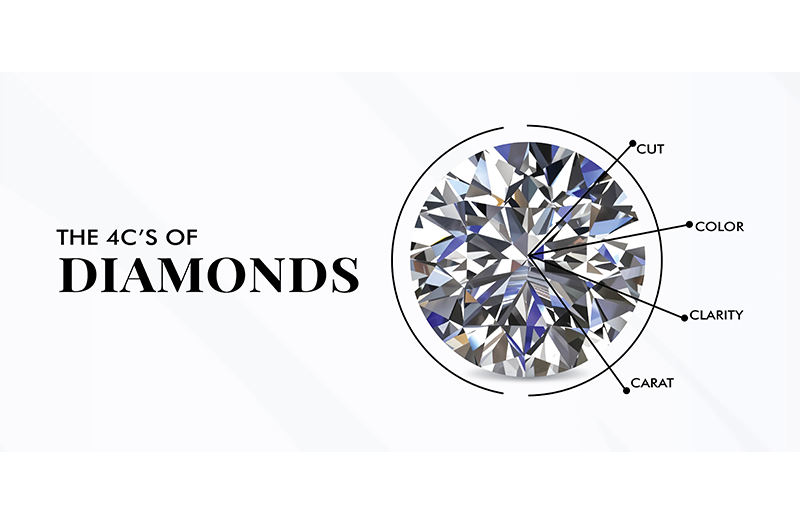
What are the 4cs of diamonds?
The 4Cs refer to Cut, Color, Clarity, and Carat. Basic knowledge of these criteria is a prerequisite before making an informed decision in any wholesale deal.
Cut
Cut determines a diamond’s brilliance, fire, and sparkle. It includes proportions, symmetry, and polish. A well-cut lab-grown diamond maximizes light reflection, while a poor cut makes the stone look dull and lifeless. Cut is always the most influential factor among the 4Cs, and it cannot be compromised even for wholesale bulk orders.
Color
Diamonds are graded on the D–Z color scale, ranging from completely colorless D down to light yellow Z. Most white lab-grown diamonds follow this standard strictly. One critical point buyers must know: many lab diamonds carry secondary subtle tints like bluish, greenish, grayish, or yellowish.
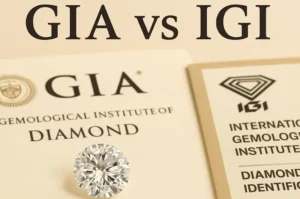
Both IGI and GIA certificates may note abnormal tints in the comment section, using words like grayish, greenish, bluish, or yellowish to hint hidden off-color undertones.
Clarity
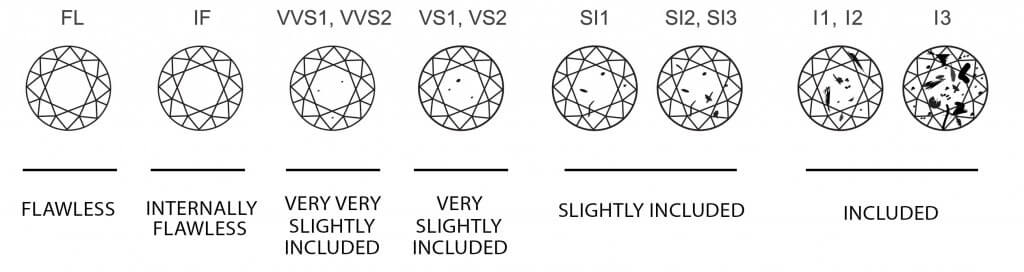
Clarity evaluates internal inclusions and external blemishes. Lab-grown diamonds generally have more consistent clarity than natural stones, but production flaws still exist. Clarity grades range from FL flawless to I3 included and FL to VS2 are eye-clean level recognized across the whole industry. VS clarity are the most cost-effective choices in wholesale souring.
Carat
Carat is the weight unit of a diamond. Larger carat stones more easily expose hidden color tints and cutting flaws. The same color grade often looks more yellow, gray, or green in bigger carat lab diamonds, requiring stricter visual inspection during sourcing.
Why Choose Lab-Grown Diamonds?
Lab-grown diamonds are physically, chemically, and optically identical to natural mined diamonds, with exactly the same crystal structure, hardness, and brilliance. Lower costs, eco-friendly and ethical source, stable quality as well as sustainable supply are all factors pushing lab grown diamonds as the mainstream choice in global wholesale and retail markets.
How 4cs Affect Wholesale Prices of Lab Grown Diamonds?
The 4Cs directly dominate the wholesale pricing system of lab-grown diamonds, following a fixed priority: Cut > Color > Clarity > Carat.
Cut grade is the top priority for optimal sparkle in lab grown diamond source. Ideal and Excellent cut stones have a clear price premium, while fair or good cut diamonds are much cheaper but poor in appearance, not suitable for retail sales.
Color grade is the second key pricing factor. D–F colorless grades have the highest wholesale prices. Meanwhile, stones with hidden gray, green, yellow or blue tints will be priced lower even with the same official color grade, as their visual appearance and market acceptance are reduced.
Clarity has a milder impact on wholesale prices. VS and SI grades are the mainstream for mass jewelry, with small price gaps between adjacent grades. FL and VS high clarity stones are only for high-end customized orders with obvious premium pricing.
Carat determines the base price. The price per carat rises sharply at key weight thresholds such as 0.5ct, 1ct, and 2ct. Larger carat lab diamonds with off-color tints are harder to sell, so wholesalers will significantly cut prices to clear inventory.
In addition, certificate type also links with 4C pricing: GIA-certified lab diamonds have higher wholesale prices due to stricter grading; IGI certificates are more cost-effective and mainstream in bulk sourcing, but buyers must carefully check certificate remarks to avoid hidden tinted diamonds.
Common 4C-Related Mistakes to Avoid in Lab-Grown Diamond Sourcing
- Chasing larger carat while ignoring cut quality
Many buyers prioritize big size but overlook cut grade, resulting in dull diamonds with poor light performance that are hard to resell.
- Confusing blue tint, blue fluorescence and fancy blue diamonds
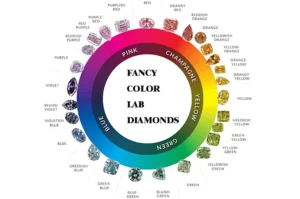
It is a common trap to mistakenly regard ordinary blue-tinted white lab diamonds or strong blue fluorescence stones as valuable fancy blue colored diamonds, leading to wrong purchasing decisions and overpayment.
- Ignoring tint descriptions on IGI and GIA certificates
Most subtle gray, green, yellow and blue undertones are not marked in the main color grade but hidden in the certificate comments. Skipping remark checking easily leads to buying off-color stones.
- Only looking at 4C data without visual inspection under natural light
Tinted lab diamonds often look white under store warm lights but show obvious gray, yellow or green hues in natural daylight. Relying only on certificate data without real light inspection is a major sourcing mistake.
- Bulk ordering without pre-sample testing
CVD and HPHT batch production may cause unified tint problems in the same batch. Direct bulk purchase without sampling will lead to large-area inventory losses.
- Overpaying for perfect 4C grades that exceed actual market demand
Over-specifying D color and FL clarity for general retail inventory without smarter positioning strategy mean suboptimal allocation and cost waste. A planned and tiered 4C selection strategy matched with product positioning drives better wholesale profitability.
Are Lab Made Diamonds Worth It?
Lab-made lab-grown diamonds are completely worth purchasing for wholesale business. They offer unmatched cost performance, stable supply and broad market acceptance, being more popular replacements of natural counterparts in view of eco-friendly, ethical source and even cost efficiency.
Keep these 4Cs in mind before procurement of bulk lab grown diamonds. Feel free to reach out for professional assistance and free quote from the lab grown diamond wholesale supplier.
FAQs
1. How to avoid buying lab-grown diamonds with undertones?
Check certificate comment keywords first, inspect the stone under natural daylight, take sample testing before bulk orders, and choose certified tint-free stones from reliable suppliers. You can also arrange third-party re-inspection for further confirmation.
2. Are lab-grown diamonds with strong blue fluorescence the same as blue-tinted diamonds?
No. Blue fluorescence only appears under UV light, and the diamond body is colorless; blue body tint exists permanently under natural light, belonging to inherent off-color defects.