The pricing system of lab-grown diamonds is fundamentally dictated by electricity costs, a core industry bottleneck that has long constrained the development of colored lab-grown diamonds. Unlike white lab-grown diamonds, fancy colored variants require extended growth cycles, precise atmospheric doping, and post-growth thermal or irradiation treatment, pushing their overall energy consumption far higher than standard white stones. Traditional lab diamond production relies heavily on fossil fuel-based grid electricity, which not only inflates manufacturing costs and causes unstable wholesale pricing but also generates massive carbon emissions, undermining the ethical and sustainable marketing advantage of lab-grown diamonds. In this context, renewable energy sources including solar, wind, and hydropower have become a game-changing solution to break the industry’s cost and environmental bottlenecks. Forward-thinking lab-grown diamond manufacturers are now fully transitioning to green power production, stabilizing colored diamond pricing, cutting carbon footprints drastically, and upgrading the overall quality and market competitiveness of fancy colored lab-grown diamonds.
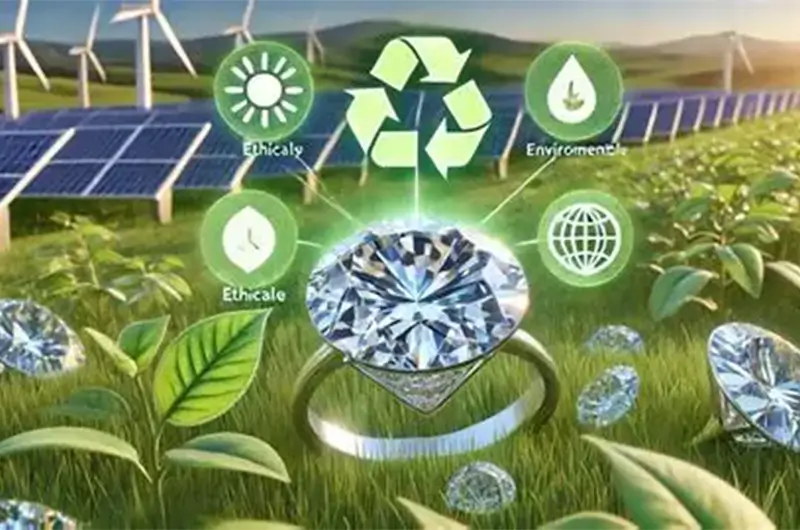
Energy Source Matters for Lab‑Grown & Colored Diamond Production
Lab-grown diamond manufacturing, whether via CVD (Chemical Vapor Deposition) or HPHT (High-Pressure High-Temperature) technology, is an extremely energy-intensive process. HPHT machines require continuous ultra-high pressure and temperature operation for days, while CVD reactors need stable long-term power supply to sustain carbon atom deposition. Colored lab-grown diamonds raise the energy bar even further: vivid yellow, pink, blue, and green diamonds demand strict control of nitrogen, boron, and vacancy defects during growth, plus precise post-processing annealing and electron beam irradiation. These additional technical steps increase power consumption by 20%–40% compared to regular white lab-grown diamonds.
Fossil fuel power brings two fatal flaws to colored diamond production. Economically, fossil fuel electricity prices fluctuate drastically with global energy market changes, leading to unstable production costs and irregular wholesale pricing for colored diamonds, making it hard for brands and distributors to maintain stable profit margins. Environmentally, data shows that lab-grown diamonds produced with fossil fuels generate up to 511kg of CO₂ per carat, far exceeding the 150–170kg per carat carbon footprint of natural mined diamonds. In sharp contrast, production powered by renewable energy slashes carbon emissions to below 20kg per carat, an over 90% reduction. Beyond emissions, green manufacturing also cuts industrial water consumption from thousands of liters to hundreds of liters per carat via recycled water systems, realizing comprehensive eco-friendly upgrades.
Benefits of Renewable Energy in Production of Lab Grown Diamonds
The adoption of solar, wind, and hydro energy brings multi-dimensional benefits for colored lab-grown diamond production, covering cost control, product quality, environmental credentials, and scalable production. First is long-term cost stabilization. Renewable energy facilities achieve zero fuel cost after one-time investment, effectively avoiding the volatility of coal and natural gas prices. For large-scale manufacturers, green power can reduce unit electricity costs by 15%–25%, greatly lowering the premium of colored diamonds and making high-grade fancy vivid colored stones more cost-effective for mass production.
Second, renewable energy delivers more stable power output for precision diamond growth. Green power grids with dedicated energy storage systems avoid the voltage and frequency fluctuations common in fossil fuel grids. Steady power ensures consistent doping element distribution and uniform crystal growth in CVD and HPHT processes, solving common industry pain points like uneven color saturation, color zoning, and inconsistent batch quality of colored diamonds. This stability significantly improves the yield of high-grade Fancy Intense and Fancy Vivid colored stones.
Third, green energy production empowers brands with credible ESG credentials. Modern luxury consumers and mainstream jewelry retailers prioritize sustainable supply chains. Renewable-energy-grown colored diamonds can obtain authoritative third-party certifications including SCS-007 and ISO 50001, providing traceable green production records. Unlike vague carbon-neutral marketing, real green power production forms tangible competitive advantages for downstream brand marketing. Additionally, renewable energy eliminates toxic by-products associated with fossil fuel combustion, reducing factory environmental pollution and meeting global sustainable manufacturing standards.
Spotlight on Companies Making Colored Lab-Grown Diamonds with Renewable Energy
A growing number of leading lab-grown diamond manufacturers have completed renewable energy transformation and specialized in high-quality colored diamond mass production, breaking the monopoly of natural fancy colored diamonds and standardizing green colored diamond supply chains. These enterprises differ from ordinary white diamond factories: they integrate green power systems with professional colored diamond R&D and post-processing capabilities, realizing stable output of full-spectrum colored stones.
Several industry-leading brands stand out in this field. In addition, multiple large-scale OEM manufacturers in Asia have built solar and wind complementary power bases in recent years, focusing on HPHT yellow diamonds and CVD blue/pink diamonds for global wholesale markets. These manufacturers have solved the technical difficulty of green power supply fluctuation restricting mass production, achieving large-scale delivery of 0.5–5 carat high-grade colored diamonds. Importantly, professional green colored diamond enterprises focus on full-process green production, refusing to purchase third-party carbon offset certificates to fake sustainability, ensuring every colored stone’s green credentials are traceable and authentic.
Market Benefits for Jewellery Brands & Wholesale Buyers
Renewable energy colored lab-grown diamonds create huge commercial value for jewelry brands and wholesale buyers, solving multiple pain points in the traditional colored diamond market. For decades, natural fancy colored diamonds have remained a ultra-luxury niche product, plagued by extreme scarcity, sky-high pricing, and unstable supply chains. Natural vivid pink and blue diamonds are extremely rare in mining output, with only a handful of high-grade stones entering the global market every year, leading to continuous price hikes and long procurement cycles for jewelers. In contrast, renewable-energy-powered colored lab-grown diamonds deliver consistent, scalable supply at a fraction of natural diamond costs, cutting wholesale procurement prices by 70%–85% while retaining identical optical, physical, and visual properties to natural colored diamonds. This allows wholesalers to expand high-margin colored diamond product lines and enables mid-range and luxury jewelry brands to launch accessible fancy color jewelry collections that cater to mass premium consumers.
Beyond cost and supply advantages, colored lab diamonds produced by renewable energy provide powerful brand differentiation in an increasingly saturated lab-grown diamond market. Most generic lab-grown diamond products lack core selling points and rely on low-price competition, resulting in thin profit margins and homogeneous market positioning. With verified renewable energy production credentials and authoritative sustainability certifications, colored lab-grown diamonds help brands build unique eco-luxury positioning that resonates with modern consumer groups, especially Gen Z and millennial buyers who account for over 60% of global jewelry consumption. These eco-conscious consumers are willing to pay a 10%–20% premium for ethically sourced, low-carbon jewelry, effectively boosting brands’ gross profit margins and market reputation.
For wholesale distributors, colored lab diamonds produced by clean energy also feature lower market risks and stronger market adaptability. The standardized and large-scale green production process ensures stable color grades, clarity, and carat specifications of bulk goods, avoiding common problems of traditional colored diamond transactions such as uneven product quality, uncertified color grades, and difficult after-sales disputes. Meanwhile, the traceable green energy production records help wholesalers and retailers comply with global ESG supply chain regulations, including EU sustainable product policies and international luxury brand supplier assessment standards. This greatly expands customer cooperation boundaries, allowing suppliers to access high-end brand supply chains that have strict environmental screening requirements.
Additionally, renewable energy colored diamonds enrich jewelry product design and marketing scenarios. From high-end engagement rings and anniversary jewelry to trendy fashion colored diamond accessories, the full-color spectrum and diverse carat ranges support diversified product layout. Brands can launch exclusive “zero-carbon colored diamond” limited series, taking green production as a core marketing theme to enhance product added value and consumer engagement. In short, adopting renewable energy colored lab-grown diamonds is no longer a simple environmental choice, but a core commercial strategy for jewelry practitioners to achieve differentiated competition, stabilize supply chains, and capture sustainable market growth.
FAQ
1. What is the difference between carbon-neutral and renewable-energy-grown lab diamonds?
The core difference lies in fundamental production logic and authenticity of sustainability. Renewable-energy-grown lab diamonds refer to diamonds entirely produced with real green power such as solar, wind, and hydropower throughout the CVD or HPHT manufacturing process.
2. Can renewable-energy-produced lab-grown diamonds achieve fancy vivid color grades?
Modern green power manufacturing technology can stably produce high-quality Fancy Intense and Fancy Vivid grade colored lab-grown diamonds, covering mainstream market hues including pink, blue, yellow, and green.