Jewelry settings are the foundational craftsmanship techniques that secure gemstones to metal frameworks, directly shaping a piece’s durability, brilliance, visual style, and wearability. Each specialized setting method caters to unique gem cuts, design aesthetics, and daily usage needs, making it essential for jewelry designers, collectors, and enthusiasts to distinguish and understand core jewelry setting types.
Prong Setting
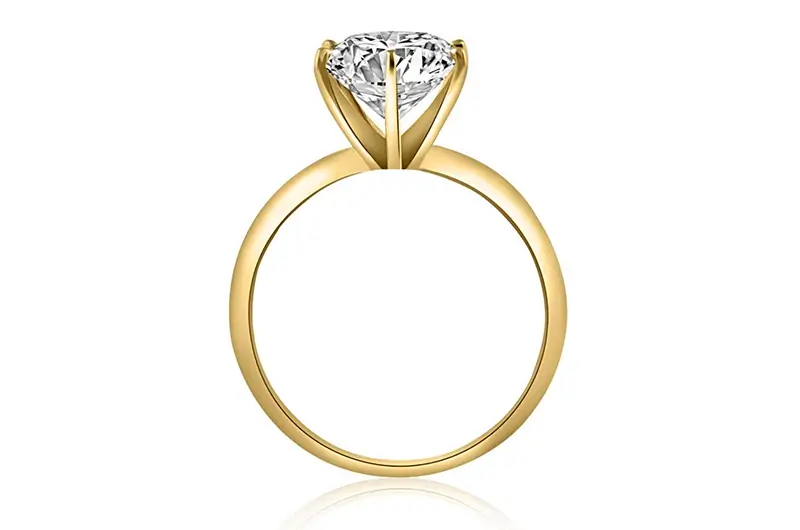
As one of the most timeless and common foundational techniques, the prong setting uses thin metal claws to grip the girdle of a gemstone, leaving most of the stone’s surface exposed to absorb and reflect light. This design maximizes a gem’s natural brilliance and transparency, making it the top choice for solitaire diamond rings and high-end single-stone jewelry. Flexible and adaptable, it fits round, oval, and marquise cut settings perfectly, with adjustable prong numbers and thicknesses to match different stone sizes and shapes. Despite its outstanding light performance, it offers relatively less stone protection, requiring careful wear to avoid prong bending or stone loosening.
Pave Setting
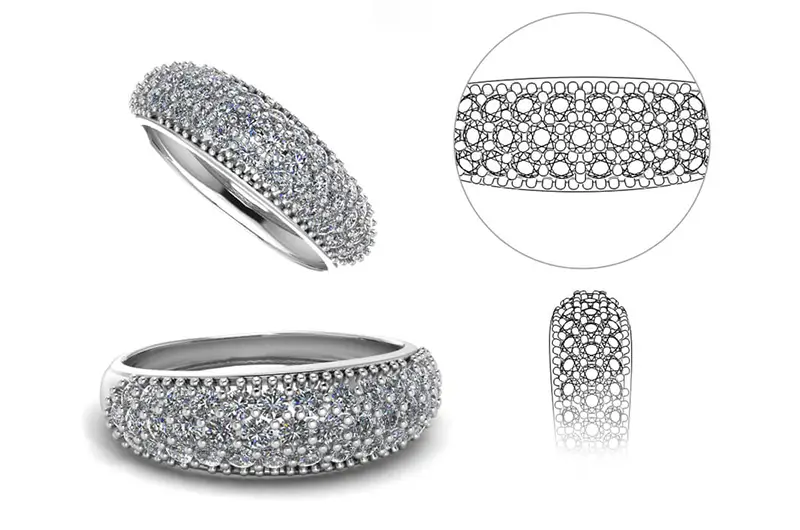
For designers pursuing dense, sparkling surface effects, the pave setting is an indispensable decorative setting technique. This method sets numerous tiny gemstones tightly together on the metal surface using microscopic metal beads, eliminating visible gaps between stones and creating a continuous, glittering pave of gems. Commonly applied to ring shanks, bracelet surfaces, and necklace pendants, it adds layered luxury to fine jewelry. The delicate craftsmanship ensures a smooth finished surface, and the tight stone arrangement effectively prevents small gems from falling off, balancing exquisite aesthetics and basic durability.
Channel Setting
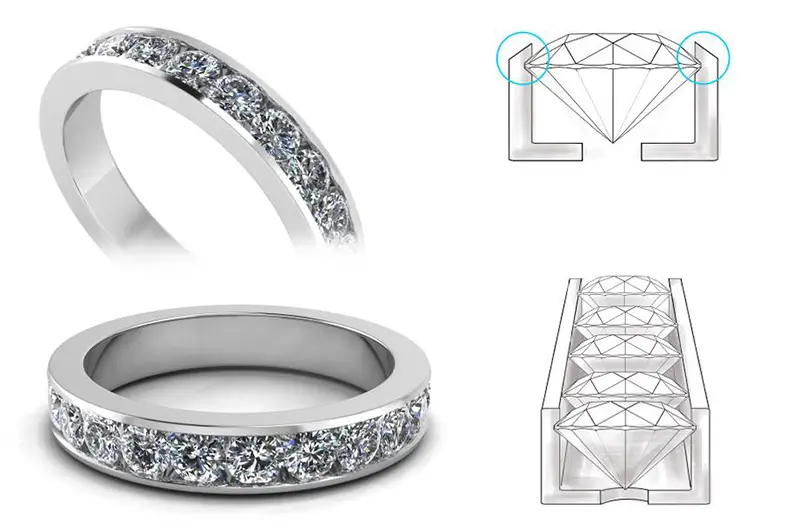
Focusing on protection and streamlined linear design, the Channel Setting features two parallel metal walls that clamp and fix gemstones in a straight groove. Fully covering the stone’s sides and edges, this setting provides excellent collision and friction resistance, ideal for daily wearable jewelry like wedding bands and stackable rings. Stones set in channels are aligned neatly in rows, forming a sleek, modern linear aesthetic with no protruding metal parts, ensuring a comfortable wear experience while maintaining a minimalist and elegant visual effect.
Cluster Setting
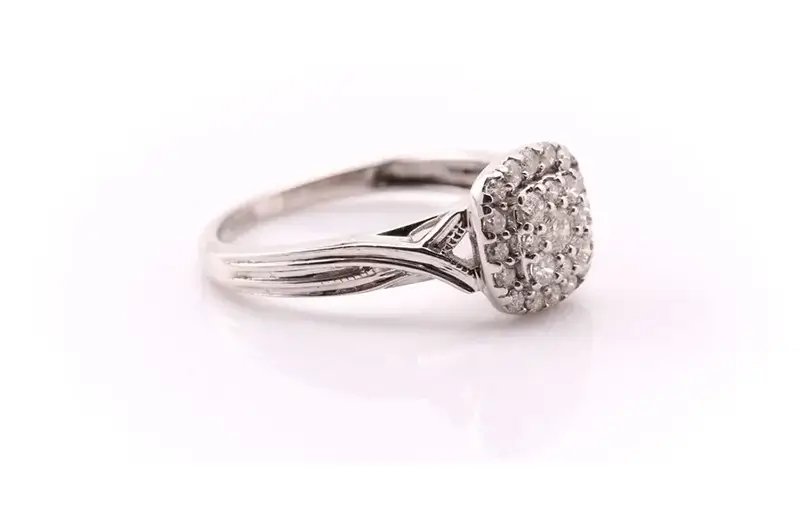
When creating multi-stone integrated jewelry designs, the Cluster Setting stands out as a classic and versatile option. This setting gathers multiple small to medium-sized gemstones closely on a single metal base to form a concentrated decorative cluster, simulating the visual impact of a large single stone at a lower cost. Diverse in layout, cluster settings can adopt round, floral, or irregular arrangements, widely used in cocktail rings, stud earrings, and pendant jewelry. The compact structural design enhances overall stability, making clustered jewelry sturdy and durable for long-term daily wear.
Tension Setting
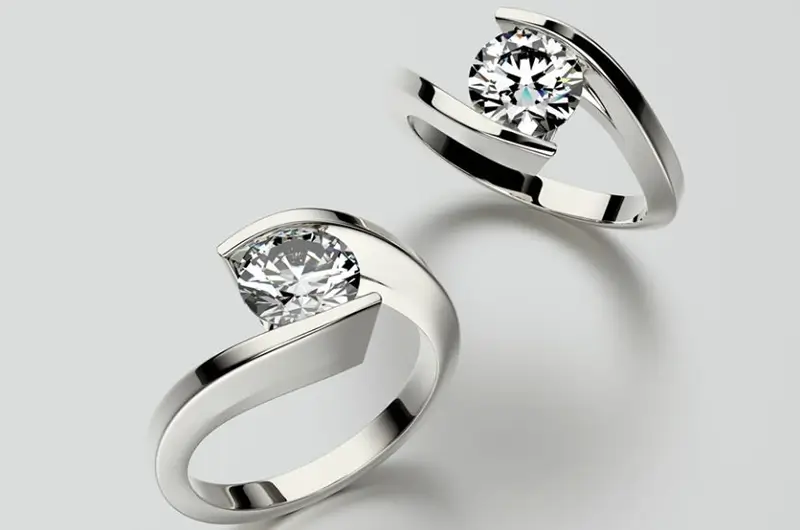
Representing modern minimalist and futuristic jewelry craftsmanship, the tension setting abandons traditional fixing structures like prongs or grooves, relying entirely on the strong elastic tension of metal to clamp a single gemstone tightly. The stone appears to float freely between two metal ends, creating a stunning invisible-support visual effect. This setting fully exposes the gemstone’s body, maximizing light transmission and brilliance, and its ultra-simple structure fits contemporary geometric and minimalist jewelry styles perfectly. Due to strict requirements for metal toughness and stone hardness, it is mostly used for high-hardness gems such as diamonds and sapphires.
Flush Setting or Gypsy Setting
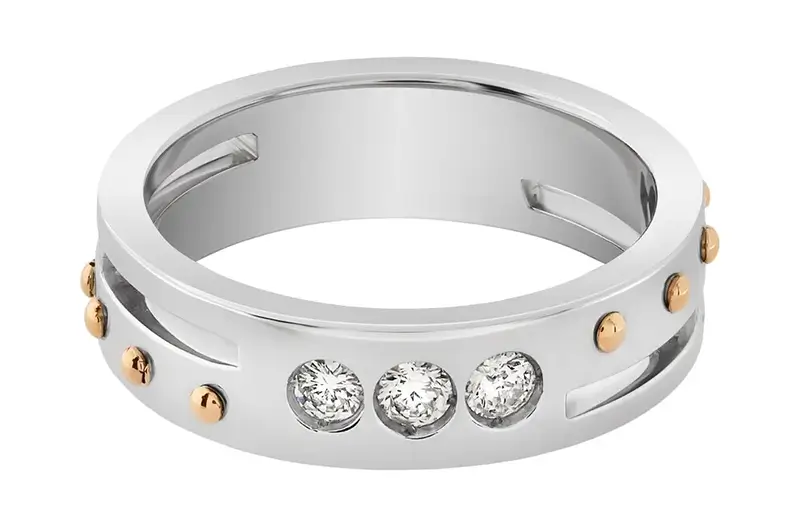
For pursuit of smooth, integrated metal surface texture, the flush setting and gypsy setting are highly favored in casual and minimalist jewelry design. Often regarded as similar low-profile settings, both techniques embed gemstones completely into metal holes, with the stone’s top flush with or slightly sunken below the metal surface. This zero-protrusion design completely avoids scratching and collision risks, making it extremely practical for daily wear jewelry. The difference lies in subtle craftsmanship details: gypsy setting features more polished and rounded metal edges for a softer retro texture, while flush setting delivers a cleaner, more precise modern finish.
Invisible Setting
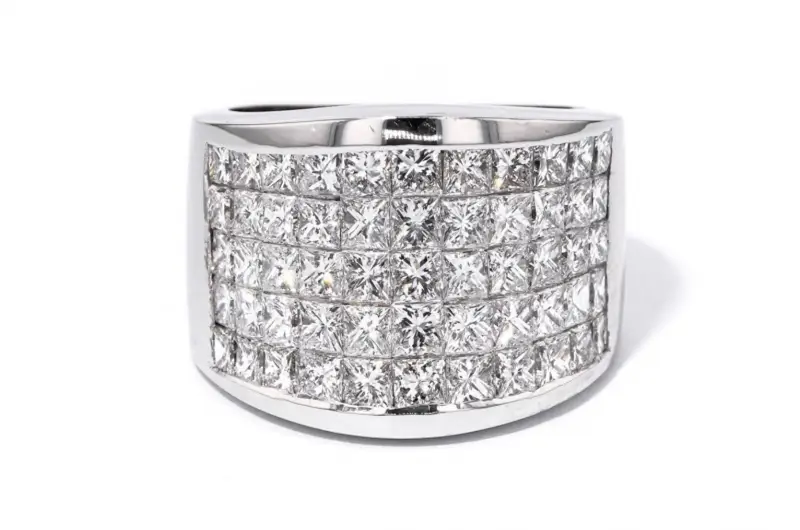
Known for its ultimate minimalist and seamless visual effect, the invisible setting adopts a special cutting and matching process to carve tiny grooves on the sides of gemstones, clamping stones together without any visible metal fixing parts on the surface. Multiple stones are spliced seamlessly into a complete luminous surface, with metal traces completely hidden, greatly enhancing the overall unity and luxury of the jewelry. Extremely demanding on stone cutting precision and manual craftsmanship, it is mostly used for high-end square and rectangular gem combinations, becoming a signature technique for luxury fine jewelry.
Knife Edge Setting
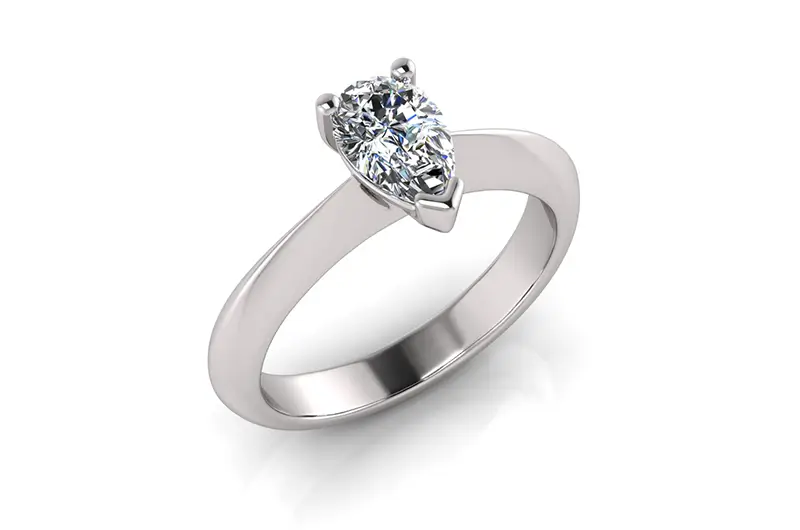
Featuring sharp three-dimensional lines, the knife edge setting is a highly recognizable decorative structural setting. Its metal support part is polished into a sharp blade-like edge, which closely fits the gemstone’s girdle and lifts the stone high. The sharp metal lines form a striking contrast with the round and transparent gemstone, enhancing the jewelry’s layering and three-dimensional sense. This setting not only improves the stone’s light exposure for better brilliance but also endows the jewelry with a sharp, stylish temperament, widely used in high-fashion custom jewelry.
Illusion Setting
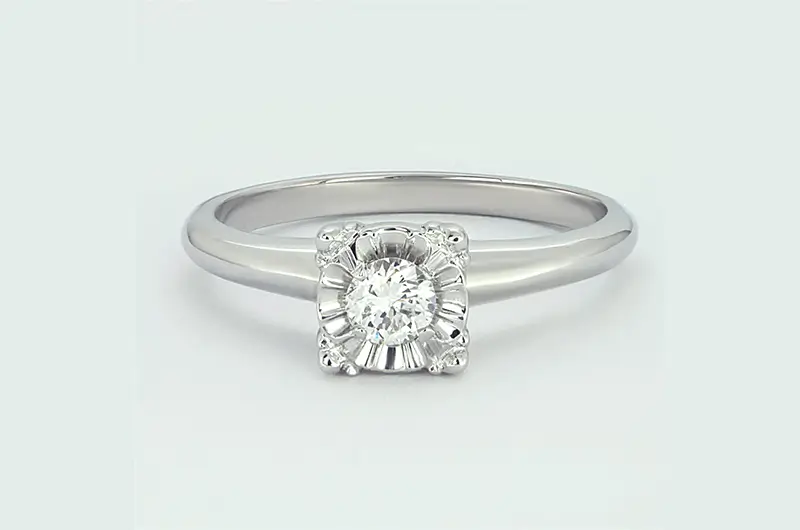
Designed to visually amplify gemstone size and brilliance, the Illusion Setting uses a specially polished reflective metal base and surrounding micro-set stones to create a visual illusion. The reflective bottom plate gathers light and reflects it back to the main stone, while the surrounding tiny stones set off the center gem, making small-sized stones appear larger and more brilliant. Cost-effective and highly decorative, this setting is commonly used in entry-level fine jewelry and vintage-style ornaments, optimizing the visual effect of medium and small gemstones to achieve high-end luxurious texture.
Wrap Tite Setting
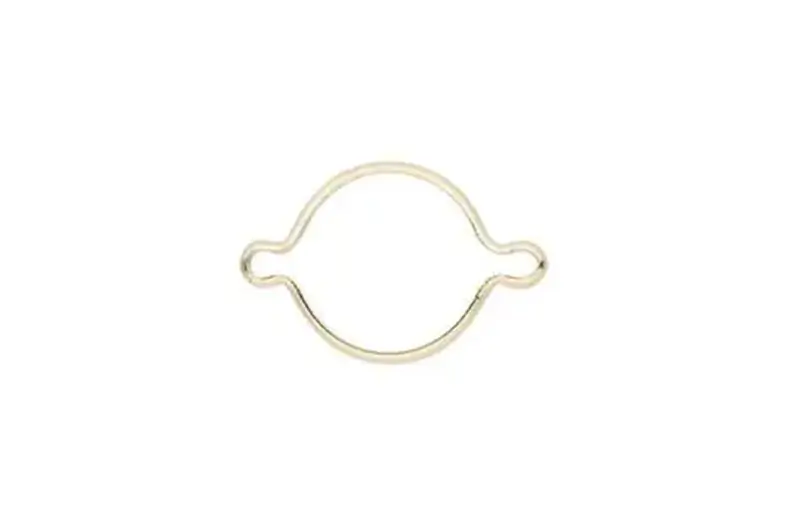
Focusing on flexible and firm stone fixing, wrap tite settings adopt a unique metal wrapping structure to tightly wrap the gemstone’s edges. Different from rigid prong or groove fixing, the flexible wrapping metal can adapt to irregularly shaped and special-cut gemstones, providing all-round stable protection. This setting avoids stone damage caused by excessive rigid extrusion, suits personalized irregular gem jewelry design, and maintains a simple and neat appearance without redundant decorative structures.
Rubover Setting
Two classic fully enclosed protective settings widely used in vintage and everyday jewelry are the rubover setting and collet setting. The rubover setting presses the metal edge evenly over the gemstone’s girdle to completely wrap the stone, achieving an ultra-smooth integrated surface with excellent anti-collision and anti-drop performance. The collet setting is a standardized enclosed setting that uses a complete metal ring base to hold the gemstone, with stable structure and strong inclusiveness, suitable for various regular-cut gems. Both settings prioritize practicality and durability, ideal for daily wear wedding jewelry and parent-child jewelry.
Grain Setting
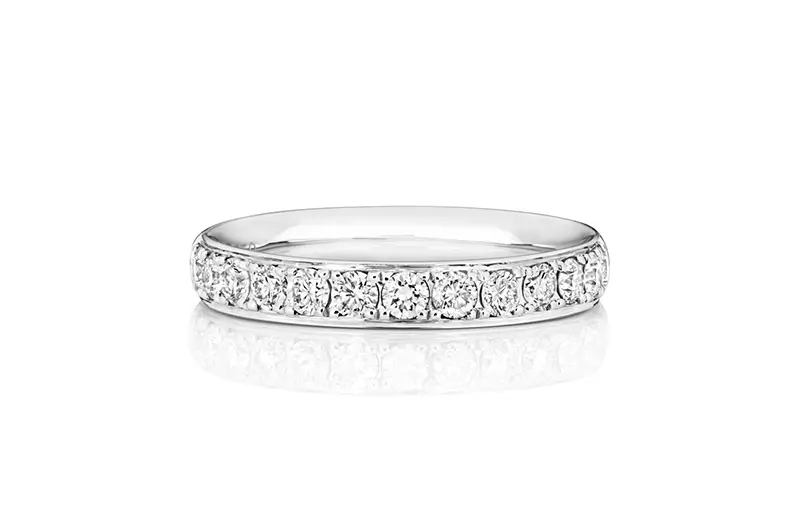
As a delicate auxiliary setting technique, the grain setting uses tiny metal grains extruded by professional tools to fix miniature gemstones on the metal surface. The fine metal grains are tiny and neat, not blocking the gem’s light entry, while firmly locking small stones to prevent falling off. Often matched with pave and cluster designs, it improves the uniformity and fineness of multi-stone combination jewelry, making the overall setting more precise and durable, and is an essential core craftsmanship for high-density micro-set jewelry.
Diverse range of jewelry settings balances aesthetics, functionality, and durability, with each technique having unique application scenarios and design advantages. Understanding these different types of jewelry settings helps jewelry creators realize personalized design concepts, and also allows wearers to select the most suitable jewelry according to their wearing habits and aesthetic preferences, ensuring both beautiful appearance and long-term wear stability of each piece of fine jewelry.