

lab grown sapphire is a laboratory-manufactured corundum gemstone that replicates the exact chemical composition, physical hardness, and optical properties of natural sapphire mined from geological deposits. As global jewelry consumers pursue affordability, stable quality, and sustainable sourcing, the synthetic sapphires turn to cost-effective replacements of natural counterparts. More jewelry brands and wholesale suppliers are shifting inventory focus from rare, high-priced natural sapphires to high-quality lab grown alternatives, driving continuous market penetration and industrial upgrading across the global jewelry supply chain.
Primary Synthetic Growth Technologies
The commercial mass production of modern synthetic sapphire relies on two mature, dominant growth techniques with distinct principles, quality outputs, and market positioning. These two core processes determine the crystal purity, internal structure, and final application of lab grown sapphire products, forming a clear high-low-end product hierarchy in the industry.
Flame Fusion
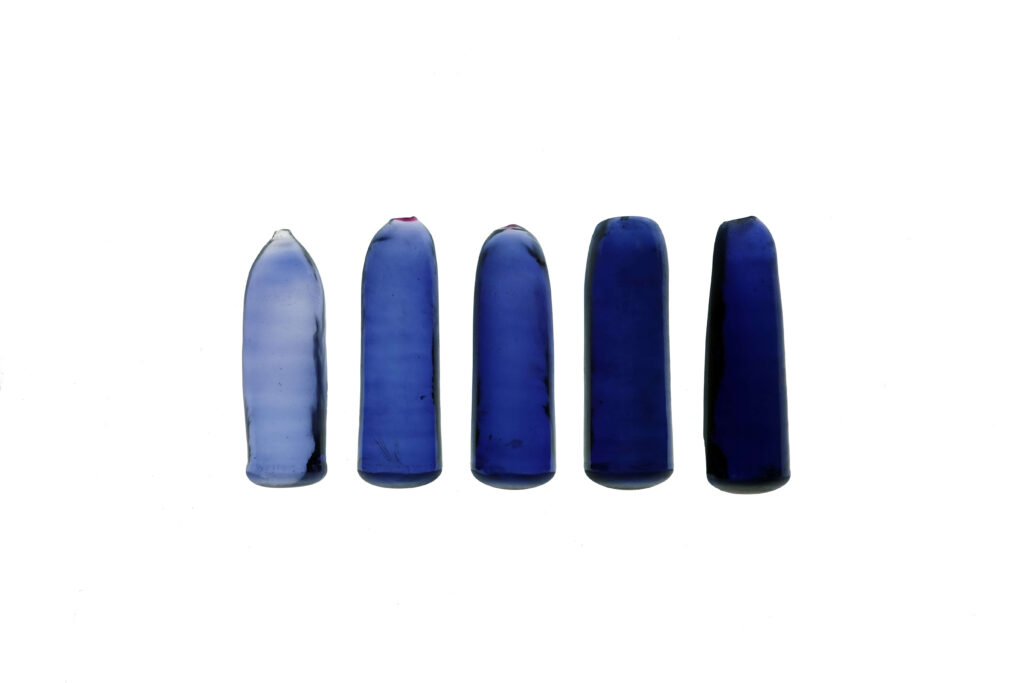
Flame fusion is the earliest industrialized synthetic sapphire manufacturing method and remains the most cost-effective solution for large-scale gem production. This technique melts high-purity alumina powder through an oxy-hydrogen high-temperature flame, allowing molten mineral droplets to continuously accumulate and crystallize on a rotating base to form complete sapphire boules. The entire growth process takes only a few hours, delivering ultra-high production efficiency and extremely low unit cost. Despite its economic advantages, the rapid melting and instantaneous cooling procedure generates severe internal thermal stress inside the crystal, leaving unique artificial growth traces that are easily distinguishable under professional gemological observation. Products made via this method are mainly applied to entry-level commercial jewelry, fashion accessories, and bulk wholesale gemstone materials.
Czochralski
Czochralski, commonly known as the pulling method, represents the high-end technical standard for modern lab grown sapphire production. Adopting a precision iridium crucible heating system and strictly controlled stable temperature fields, this technology soaks a seed crystal in fully molten alumina solution and pulls it upward slowly while rotating. The gradual and steady crystallization process greatly reduces internal thermal stress and structural defects. Although it requires a longer growth cycle and higher production costs, Czochralski sapphires feature superior clarity, uniform color distribution, and complete crystal integrity. These premium-quality gems are widely adopted in high-end fine jewelry, bridal engagement rings, and customized luxury accessories, catering to the market demand for high-standard gem-grade sapphires.
Characteristics of Synthetic Sapphire Inclusions
Synthetic sapphire inclusions are the core diagnostic basis for gemologists to separate lab grown sapphires from natural sapphires and distinguish different synthetic growth techniques. Unlike natural sapphires that form unique mineral inclusions, rutile silk, and fingerprint fractures under complex long-term geological environments, synthetic sapphires produce exclusive man-made structural traces during controlled laboratory growth.
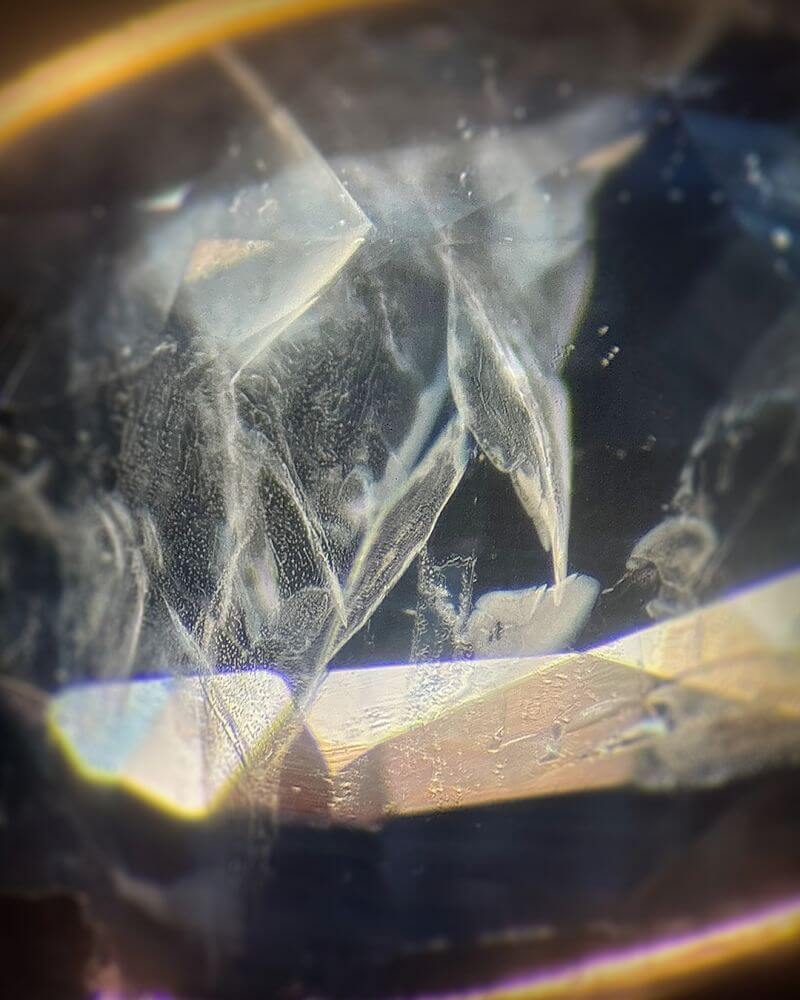
Two typical identifying features exclusively belong to flame fusion sapphires. Curved growth striae are concentric, smooth arc-shaped growth lines formed by rotating droplet crystallization, presenting regular curved layers that never appear in natural sapphires with straight or hexagonal zoning patterns. Meanwhile, Feather fracture, a type of stress-induced feather-like crack cluster, commonly distributes along curved growth striae, caused by drastic temperature changes and residual internal stress. In contrast, Czochralski sapphires contain no curved growth striae or feather fractures, and their representative inclusions are tiny iridium metal particles stripped from crucible walls and straight parallel growth lines, providing clear differentiation evidence for professional laboratory identification.
Popular Colors of Lab Grown Sapphire
Benefiting from precise trace element doping technology in laboratory growth, lab grown sapphires support highly controllable color modulation, covering classic mainstream tones and diverse fancy shades favored by the jewelry market. Among all color options, blue sapphires consistently dominate market sales and consumer preference.
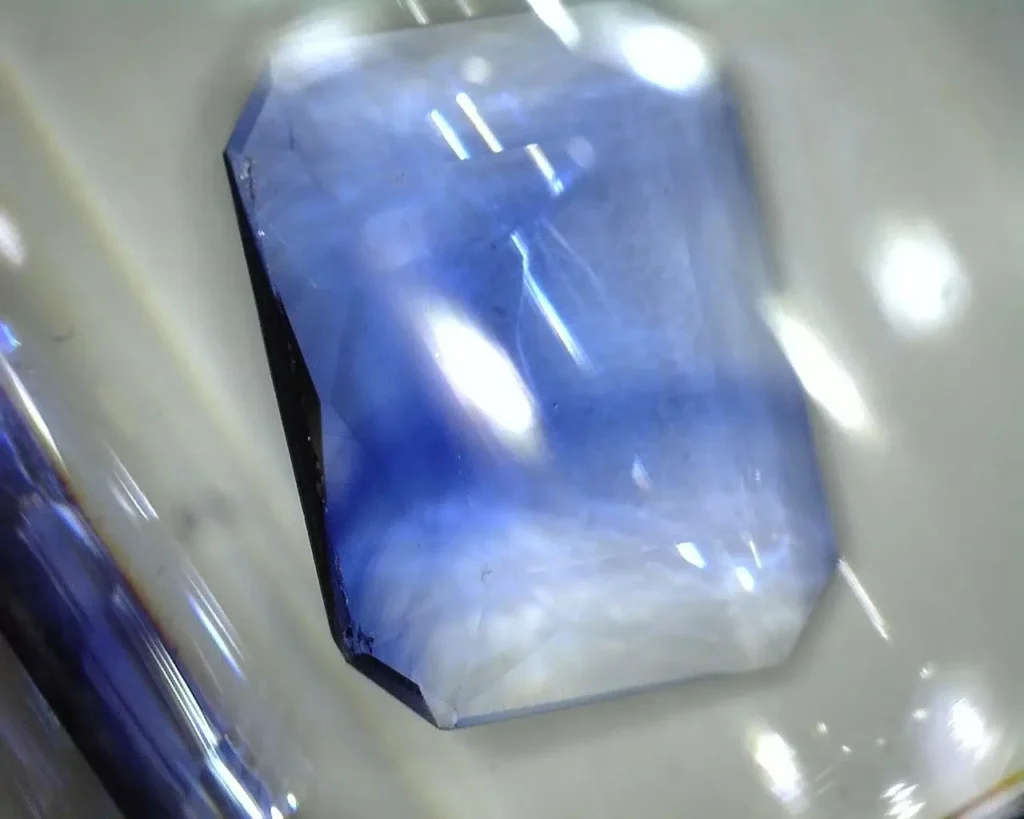
Royal blue and cornflower blue are the two most representative and best-selling classic blue varieties. Royal blue features a deep, vivid, and velvety pure blue tone with subtle violet undertones, presenting a luxurious and solemn texture that perfectly matches high-end formal fine jewelry and bridal wear scenarios. Cornflower blue shows a bright, soft, and transparent blue hue with delicate light purple nuances, boasting excellent light transmission and a fresh and elegant aesthetic suitable for daily wearable jewelry and fashion stacking designs. Both tones can stably replicate the top-grade color performance of premium natural sapphires, with more uniform saturation and no mottled color zoning compared with natural rough stones.
Benefits of Lab Grown Sapphire
Beyond cost advantages and stable quality performance, the most prominent technical advantage of lab grown sapphire lies in its powerful simulated replication capability. Lab grown sapphire can imitate sapphires of different origins and natural characteristic textures, highly restoring the classic color tone and even typical inclusion characteristics of high-value producing areas. It can perfectly reproduce the bright and clear tone of Sri Lankan sapphires, the rich and dense color of Burmese sapphires, and the unique silky texture of high-grade Kashmir sapphires. Through fine-tuning growth parameters and trace element ratios, manufacturers can even simulate natural subtle inclusions and growth textures, realizing a highly consistent visual presentation with rare natural origin-specific sapphires. This unique replication ability enables ordinary consumers to access high-standard sapphire aesthetics that were once exclusive to high-priced natural collection-grade gems, greatly enriching the diversity and selectivity of the civilian fine jewelry market.
As laboratory synthesis technology continues to mature and market recognition improves, lab grown sapphire will maintain steady development momentum and continuously lead the innovative and sustainable upgrading of the global sapphire jewelry industry.